Three smaller sights for anyone who likes transport or architecture, each easy to fold into a normal day in the city.
The Zacke
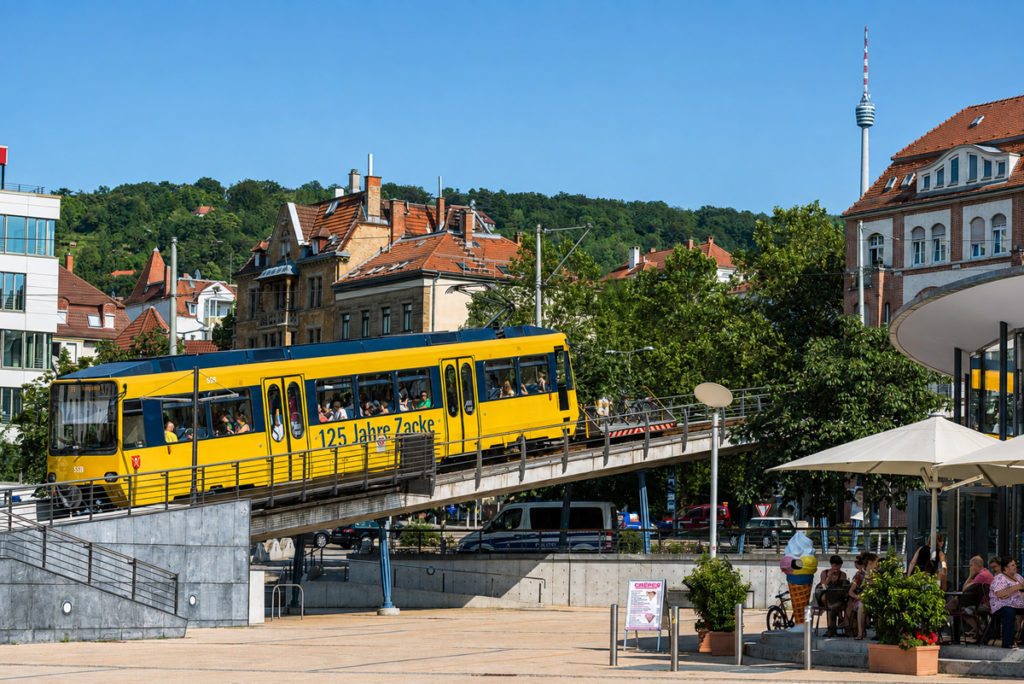
The Zahnradbahn — the “Zacke” — has climbed from Marienplatz in Stuttgart-Süd up to Degerloch since 1884. It is a rack railway, still part of the normal transport network as line 10, and one of very few in Germany used for everyday city travel. In summer a rack on the front carries bikes uphill.
The Standseilbahn
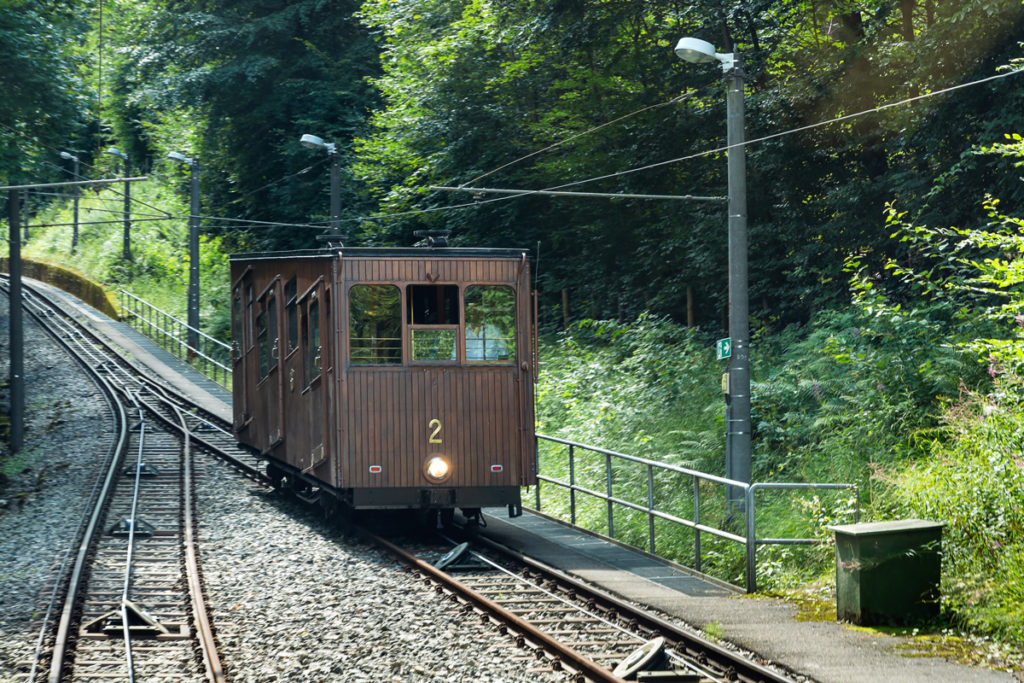
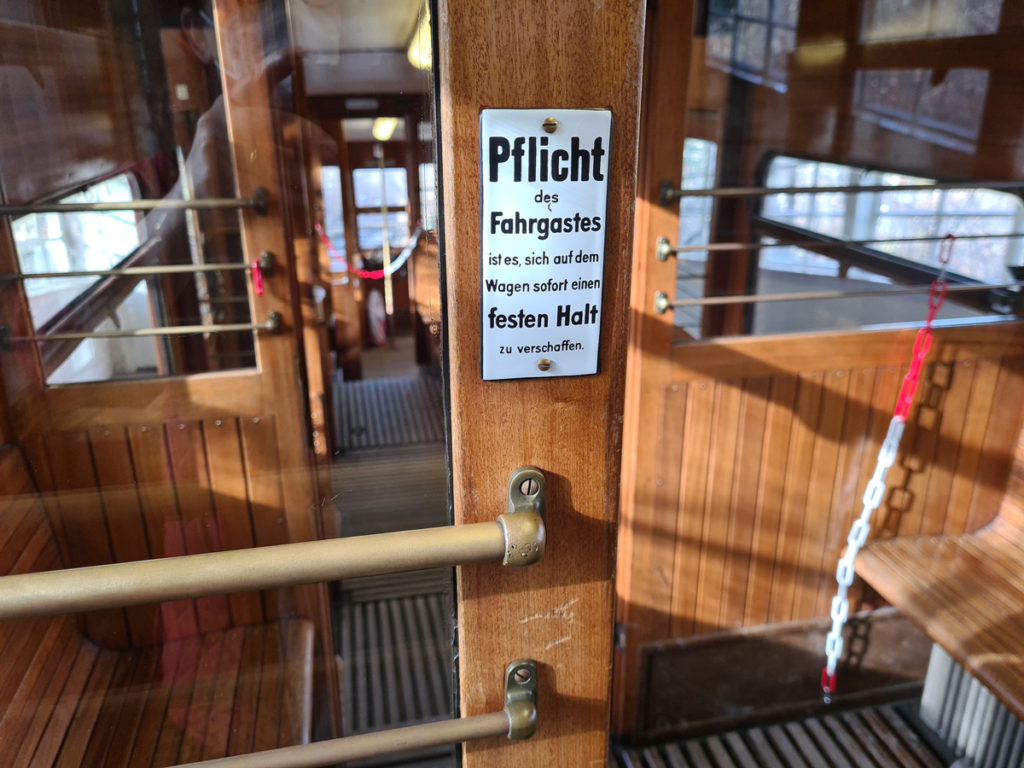
A funicular from 1929 running from Südheimer Platz up to the Waldfriedhof, the forest cemetery. The cars are the original polished wood. It is line 20, a protected monument, and the ride takes a few minutes through the trees.
The Weissenhofsiedlung
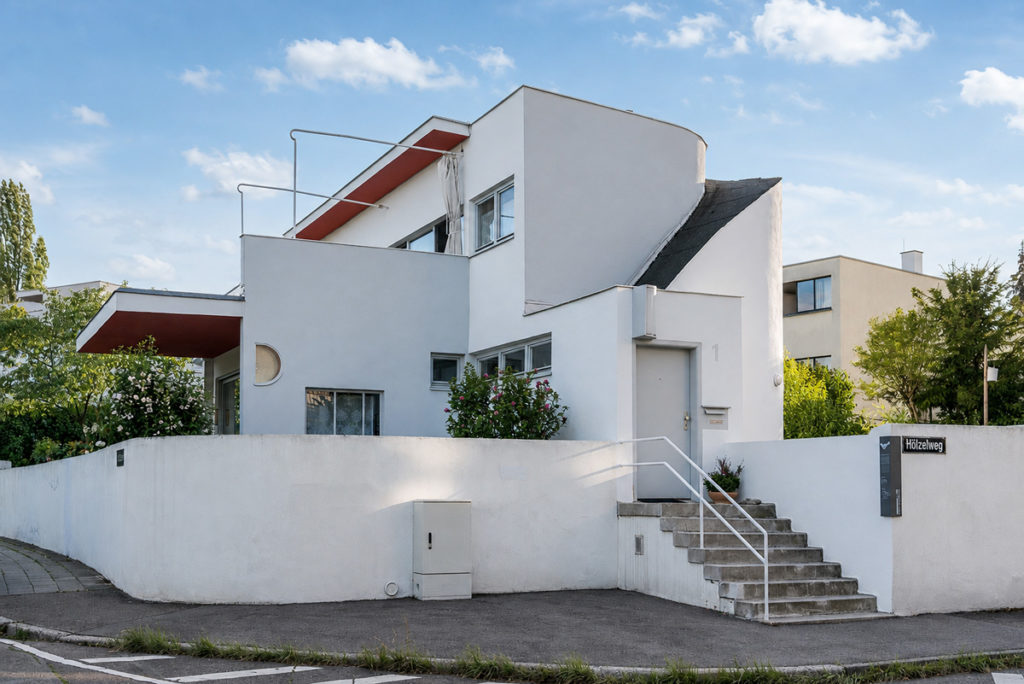
On the Killesberg slope, a housing estate built in 1927 for a Werkbund exhibition on modern living, directed by Mies van der Rohe. Seventeen architects took part — Le Corbusier, Mies, Gropius, Scharoun and others — and the two houses by Le Corbusier are now UNESCO World Heritage, one of them holding a small museum about the project.
Good to know
- The Zacke and the Standseilbahn run on normal transport tickets
- The Weissenhof estate is a residential street — the houses are lived in; only the museum and the Le Corbusier house are open
- The Weissenhofmuseum is closed on Mondays
- The Standseilbahn is a short walk from the Marienplatz end of the Zacke